
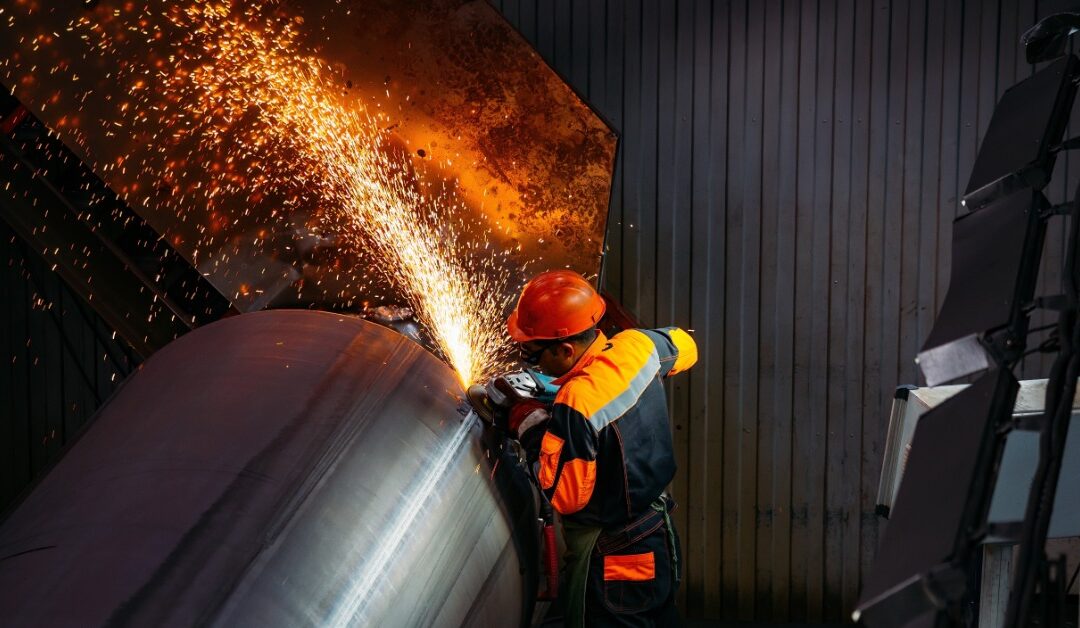
When piping must perform in demanding environments, the quality of the finished system starts with the work behind each connection. Fabricating copper-nickel piping systems requires careful handling so the material performs as expected. Good preparation helps you create reliable joints, and with the right approach, you can move through fabrication with greater consistency.
Work With the Proper Material
Before work begins, you need to confirm that the selected alloy fits the intended piping environment. A copper-nickel alloy combines copper with nickel, while common marine grades also contain controlled amounts of iron and manganese. For example, C70600 contains roughly 10% nickel, while C71500 contains roughly 30%.
You should also check that the pipe type and governing standard align with the needs of the project. ASTM B466 applies to seamless copper-nickel pipe and tube, while ASTM B467 addresses welded copper-nickel pipe. Selecting material under the appropriate specification helps your fabrication team begin with piping that meets the project’s requirements.
Prepare Surfaces Carefully
Cleanliness deserves close attention before you weld copper-nickel. Compared with steel fabrication, copper-nickel work requires a higher degree of cleanliness, so you should keep joint areas free of contaminants that might interfere with welding.
Once surfaces are ready, check the fit before welding begins. Accurate alignment helps you maintain the intended joint geometry instead of relying on the welding process to compensate for poor preparation.
Follow Sound Joining Practices
As you move into fabrication stages of copper-nickel piping systems, you’ll need welding practices that suit the selected alloy and the piping specification. Copper-nickels work with several standard welding processes, but weldability still depends on proper material control and preparation. The fabrication plan should guide your team from initial fit-up through final inspection.
Several practical habits support consistent work:
- Keeping joint surfaces clean before welding begins
- Confirming pipe alignment before securing each joint
- Following the qualified welding procedure for the project
- Protecting prepared surfaces from shop contamination
- Inspecting completed joints against project requirements
Account for System Conditions
Pay close attention to piping geometry during assembly. Properly formed bends and accurate installation help the completed system follow its engineering design. When you preserve those details during fabrication, you give the material a better opportunity to perform effectively once the system enters service.
Inspect Before Installation
Before piping leaves the fabrication area, you should verify workmanship against the applicable drawings, specifications, and inspection requirements. This final review gives you a chance to identify problems while access remains straightforward.
Documentation should stay connected to that inspection process. When your project requires material traceability or specified records, maintaining them helps confirm that the finished piping corresponds with the required materials and procedures. Consequently, inspection becomes part of a controlled fabrication process rather than a last-minute check.
A piping system is only as dependable as the material behind it, so choosing the right metal deserves careful attention from the start. Wieland Diversified helps customers source specialty metals that meet demanding project requirements without adding unnecessary complexity to the process. When your next project depends on the right material from the beginning, contact us to discuss your needs and keep your plans moving forward.