
Choosing the right casting material shapes the performance and lifespan of your finished component. When you compare manganese steel and silicon bronze casting, you quickly notice that each alloy solves a different engineering challenge. Therefore, understanding their strengths helps you make a smarter decision before production begins. Let’s dive into what you should know about them.
Material Performance
If your application faces repeated impact, manganese steel offers impressive toughness because it hardens as it experiences heavy wear. That unique characteristic makes it valuable for railroad components and mining applications where constant abrasion occurs. You gain greater durability as the material continues working under demanding conditions.
Silicon bronze follows a different path by emphasizing corrosion resistance and dependable casting performance. You benefit from smooth castings with excellent surface quality, while the alloy also resists seawater and many industrial chemicals.
Casting Characteristics
Bronze casting alloys are formulated to produce durable cast components with excellent corrosion resistance and reliable dimensional stability. Silicon bronze is an example of this, which combines copper with silicon and small amounts of additional elements that improve casting behavior. Consequently, foundries appreciate its ability to fill molds cleanly while producing attractive finished surfaces.
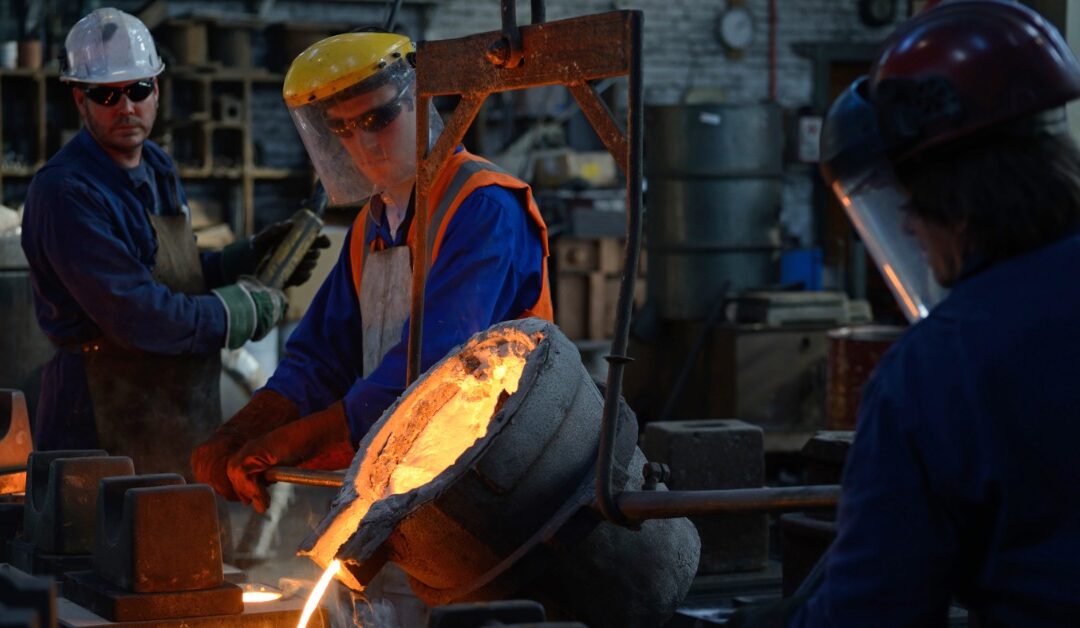
Manganese steel requires greater attention throughout the casting process because high pouring temperatures and controlled cooling affect the final structure. Careful heat treatment also helps develop the mechanical properties that make the alloy valuable in severe service. Although the process requires precision, manufacturers rely on those extra steps when wear resistance is the highest priority.
Before selecting a casting material, keep these practical differences in mind:
- Manganese steel gains hardness as repeated impact occurs
- Silicon bronze resists corrosion in marine and industrial settings
- Manganese steel performs well where abrasive wear dominates
- Silicon bronze produces detailed castings with smooth surface finishes
- Material selection should match the operating environment and service conditions
Long-Term Reliability
You should also think about maintenance expectations before choosing a casting alloy. Components exposed to moisture, saltwater, or chemical environments usually remain in better condition when corrosion-resistant materials reduce deterioration. That advantage helps preserve both appearance and structural integrity throughout years of service.
Heavy industrial equipment presents a different challenge because repeated impact gradually destroys conventional materials. Manganese steel answers that challenge by becoming tougher where the greatest wear occurs. Engineers continue selecting it because real-world operating conditions reward that unique behavior.
Closing Thoughts
Every casting project succeeds when you choose a material that fits the job instead of forcing one alloy into every application. Understanding the differences between manganese steel and silicon bronze gives you greater confidence when evaluating long-term performance, casting characteristics, and operating environments.
If you need additional guidance, Wieland Diversified supplies specialty metal alloys that support demanding industrial applications while helping customers identify materials that match their technical requirements. Contact our knowledgeable team to discuss your next project and determine which alloy best supports your needs.